Featured
Little Known Facts About This Organization Approach with Clients.
Table of Contents
That maximizes money in the short-term, and you may have three to four years to conserve toward the negotiation quantity. Really hazardous to credit history, primarily as a result of missed out on payments and a negative "settled" mark that could remain on your credit rating record for approximately seven yearsMay be just alternative if various other choices (debt consolidation, equilibrium transfer charge card, financial obligation forgiveness) aren't possibleTypically needs a fee to the 3rd party, which can balance out some or every one of the financial savings from debt settlementMay help you avoid insolvency if you have actually missed out on a number of paymentsNot all financial institutions collaborate with financial debt negotiation business Financial obligation mercy may be ideal for you if you are experiencing a financial hardship that makes it nearly impossible to pay for your financial debt balances.
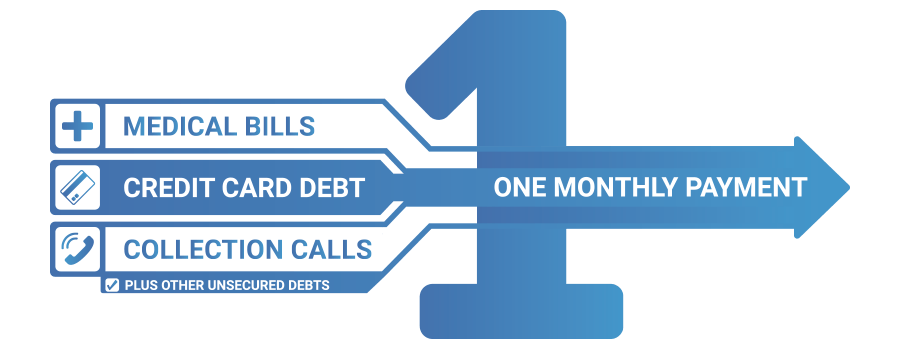
With a DMP, you make one month-to-month payment to the credit score counseling company. Those funds are then dispersed to creditors of your unprotected financial obligations, such as bank card and installment loans. The company collaborates with your lenders to reduce rates of interest or waive charges, yet some financial institutions may decline such concessions.
It can aid you pay down financial obligation if you're able to protect a funding rate that's reduced than the ordinary rate of the accounts you're combining. You have to avoid from racking up debt on those newly gotten rid of accounts or your debt can grow also greater.
That provides you plenty of time to remove or significantly minimize your equilibrium while making interest-free settlements.
How Trustworthy Providers Follow Legal Compliance - An Overview
You might require it if your lender or a collection company ever tries to accumulate on the financial obligation in the future. When a lender forgives $600 or more, they are needed to send you Form 1099-C.
Debt forgiveness or negotiation often hurts your credit rating. Anytime you work out a debt for much less than you owe, it may look like "settled" on your credit rating record and impact your credit report for seven years from the date of negotiation. Your credit report can likewise go down substantially in the months resulting in the mercy if you fall back on repayments.
Some Known Incorrect Statements About Assessing Debt Forgiveness Organizations in Today's Market
This situation often results from underreporting revenue, not submitting returns on time, or inconsistencies located throughout an Internal revenue service audit. The consequences of building up tax obligation financial obligation are serious and can consist of tax obligation liens, which provide the IRS a lawful case to your residential property as safety for the financial debt.
Incomes and Financial institution Accounts Internal revenue service can impose (confiscate) wages and bank accounts to satisfy the financial debt. Home Seizure In extreme situations, the Internal revenue service can seize and offer property to cover the financial obligation.
Clinical depression, anxiousness, and various other mental health issues. Social Preconception Facing lawsuit from the IRS can bring social preconception. Damages to track record and connections. Work Opportunities A bad credit rating due to tire financial obligation can limit employment possibility. Difficulty finding or maintaining a task. Government Benefits Tax obligation financial obligation might affect eligibility for government benefits, such as Social Protection and Medicaid.
The Buzz on Recovering Your Credit History After Bankruptcy
The OIC takes into consideration numerous variables, including the taxpayer's income, expenditures, possession equity, and ability to pay. Efficiently bargaining an OIC can be complicated, needing a complete understanding of the internal revenue service's guidelines and a strong debate for why your offer straightens with your capacity to pay. It is very important to note that not all applications are approved, and the process needs comprehensive monetary disclosure.
The IRS analyzes your total monetary scenario, including your revenue, expenditures, asset equity, and ability to pay. You must additionally be current with all declaring and settlement needs and not be in an open personal bankruptcy proceeding. The internal revenue service likewise considers your compliance background, examining whether you have a document of prompt declaring and paying taxes in previous years.
See This Report about Market Factors and Growing Demand Are Seeking Professional Help
The application process for a Deal in Compromise entails several in-depth steps. First, you have to complete and submit IRS Form 656, the Deal in Concession application, and Form 433-A (OIC), a collection details declaration for individuals. These types need thorough economic information, consisting of information concerning your earnings, debts, costs, and properties.
Back tax obligations, which are overdue tax obligations from previous years, can considerably boost your complete IRS debt if not resolved without delay. This debt can accrue passion and late payment penalties, making the initial amount owed much bigger in time. Failing to pay back taxes can result in the IRS taking enforcement actions, such as releasing a tax obligation lien or levy versus your residential or commercial property.
It is very important to resolve back taxes immediately, either by paying the sum total owed or by arranging a layaway plan with the IRS. By taking positive steps, you can avoid the accumulation of extra passion and fines, and prevent extra aggressive collection activities by the IRS.
One common factor is the belief that the taxpayer can pay the full amount either as a lump amount or with a payment plan. The internal revenue service additionally considers the taxpayer's revenue, expenses, possession equity, and future earning potential. If these factors show that the taxpayer can afford to pay greater than the provided quantity, the internal revenue service is most likely to turn down the deal.
An Unbiased View of Is It Worth vs Going It Alone Options
It is vital to provide exact and total info in your application and to seek advice from a tax expert to boost the opportunities of acceptance. Dealing with internal revenue service debt can be complicated and daunting. Tax professionals, such as Certified public accountants, tax attorneys, or registered agents, can give indispensable help. They have the knowledge to navigate the ins and outs of tax obligation legislation and IRS procedures.

Table of Contents
Latest Posts

The Buzz on Chapter 13 Essentials and Requirements

Rumored Buzz on When Financial counseling for veterans in North Carolina who feel trapped by credit card debt Makes a Difference

4 Easy Facts About When Financial counseling for veterans in Alabama who feel stuck making only minimum payments Makes a Difference Shown
More
Latest Posts
The Buzz on Chapter 13 Essentials and Requirements
Rumored Buzz on When Financial counseling for veterans in North Carolina who feel trapped by credit card debt Makes a Difference