Featured
Unknown Facts About Rebuilding Your Credit Score Following Bankruptcy
Table of Contents
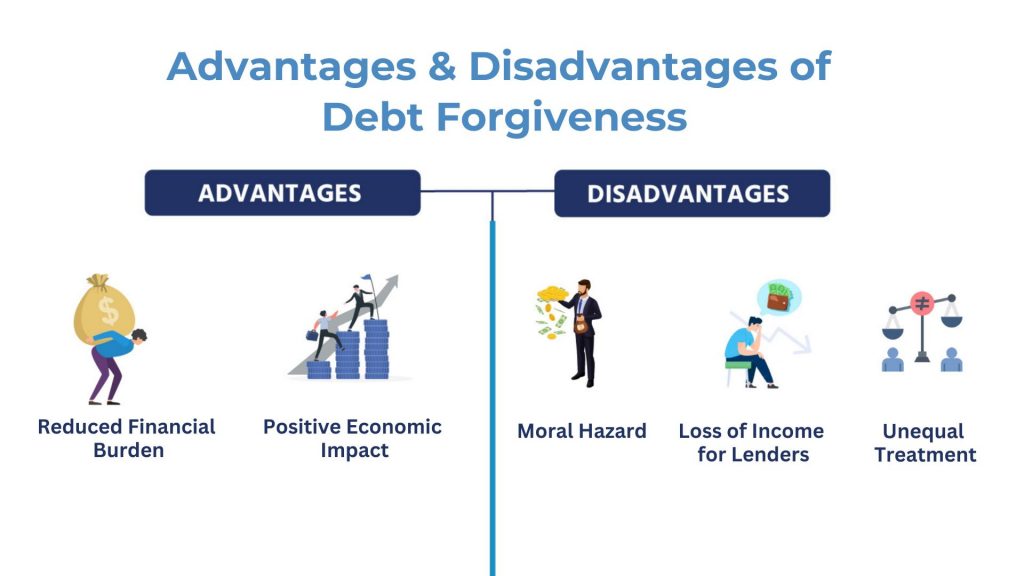
That liberates money in the brief term, and you may have three to four years to conserve toward the settlement quantity. Extremely damaging to debt scores, largely because of missed repayments and a negative "cleared up" mark that might remain on your credit score record for up to seven yearsMay be only choice if various other choices (financial obligation combination, balance transfer charge card, debt mercy) aren't possibleTypically calls for a fee to the third party, which could counter some or all of the financial savings from debt settlementMay help you avoid bankruptcy if you have actually missed several paymentsNot all lenders deal with financial obligation settlement firms Financial debt mercy might be appropriate for you if you are experiencing a financial challenge that makes it nearly impossible to pay down your debt equilibriums.

With a DMP, you make one monthly repayment to the credit therapy agency. Those funds are then dispersed to financial institutions of your unsafe debts, such as bank card and installment loans. The firm deals with your creditors to reduce rate of interest or forgo charges, however some financial institutions might reject such giving ins.
It can aid you pay down financial obligation if you're able to safeguard a finance rate that's lower than the average rate of the accounts you're consolidating. You need to avoid from racking up financial debt on those newly cleared accounts or your financial obligation might expand also greater.
That gives you lots of time to eliminate or considerably minimize your equilibrium while making interest-free settlements.
Technology Is Making Financial Help Easier Fundamentals Explained
You may require it if your creditor or a collection firm ever before attempts to collect on the financial obligation in the future. When a lending institution forgives $600 or even more, they are called for to send you Type 1099-C.
Financial obligation mercy or settlement generally hurts your credit rating. Anytime you clear up a financial obligation for less than you owe, it may appear as "settled" on your credit score record and impact your credit report for seven years from the day of negotiation. Your credit can also go down considerably in the months bring about the mercy if you drop behind on settlements.
The Basic Principles Of Their Team Approach to Achieve Financial Relief
This scenario frequently results from underreporting revenue, not submitting returns on time, or disparities discovered throughout an Internal revenue service audit. The consequences of building up tax obligation debt are severe and can include tax obligation liens, which give the IRS a legal case to your residential or commercial property as security for the financial obligation.
Higher interest prices on readily available credit scores. Incomes and Financial institution Accounts IRS can levy (seize) wages and financial institution accounts to satisfy the financial obligation. Reduced income and interruption of important monetary procedures. Property Seizure In severe instances, the internal revenue service can confiscate and sell property to cover the financial debt. Loss of important possessions and potential displacement.
Clinical depression, anxiety, and various other psychological health problems. Social Preconception Dealing with legal activity from the internal revenue service can bring social preconception. Damages to reputation and connections. Employment Opportunities A bad credit report score as a result of tax debt can restrict job opportunity. Problem searching for or maintaining a job. Government Advantages Tax financial debt might impact qualification for government advantages, such as Social Protection and Medicaid.
Excitement About Debtor Protections While Undergoing From Forbearance to Repayment Plan: Post-Crisis Options Explained by Housing Counselors
The OIC considers a number of elements, consisting of the taxpayer's income, expenditures, property equity, and capacity to pay. Successfully working out an OIC can be complex, requiring an extensive understanding of the internal revenue service's standards and a strong disagreement for why your deal lines up with your ability to pay. It is necessary to note that not all applications are approved, and the procedure requires thorough economic disclosure.
The internal revenue service examines your total monetary situation, including your income, expenses, property equity, and capacity to pay. You should additionally be current with all declaring and payment requirements and not be in an open bankruptcy proceeding. The internal revenue service likewise considers your conformity history, reviewing whether you have a document of prompt declaring and paying taxes in previous years.
The Of What to Expect for Certified Debt Relief Help
The application process for an Offer in Concession entails numerous comprehensive steps. You have to complete and submit IRS Kind 656, the Deal in Concession application, and Type 433-A (OIC), a collection information declaration for individuals. These types call for thorough economic information, consisting of information about your income, financial debts, expenses, and properties.
Back taxes, which are unpaid taxes from previous years, can considerably boost your overall IRS debt otherwise dealt with promptly. This financial debt can build up passion and late payment penalties, making the initial quantity owed a lot larger with time. Failure to pay back taxes can lead to the IRS taking enforcement activities, such as releasing a tax lien or levy versus your residential or commercial property.
It is very important to deal with back tax obligations immediately, either by paying the total owed or by arranging a payment plan with the internal revenue service. By taking positive actions, you can prevent the build-up of added passion and fines, and prevent more aggressive collection actions by the internal revenue service.
One typical reason is the belief that the taxpayer can pay the complete amount either as a lump sum or via a payment plan. The internal revenue service likewise considers the taxpayer's earnings, costs, asset equity, and future earning possibility. If these aspects indicate that the taxpayer can manage to pay more than the provided quantity, the internal revenue service is likely to reject the deal.
Free Informational Debt Counseling Workshops That Help Consumers - Questions
Dealing with IRS debt can be complex and daunting. Tax obligation professionals, such as Certified public accountants, tax attorneys, or enlisted representatives, can give very useful assistance.

Table of Contents
Latest Posts

The Buzz on Chapter 13 Essentials and Requirements

Rumored Buzz on When Financial counseling for veterans in North Carolina who feel trapped by credit card debt Makes a Difference

4 Easy Facts About When Financial counseling for veterans in Alabama who feel stuck making only minimum payments Makes a Difference Shown
More
Latest Posts
The Buzz on Chapter 13 Essentials and Requirements
Rumored Buzz on When Financial counseling for veterans in North Carolina who feel trapped by credit card debt Makes a Difference